 (Image source: Gemini)
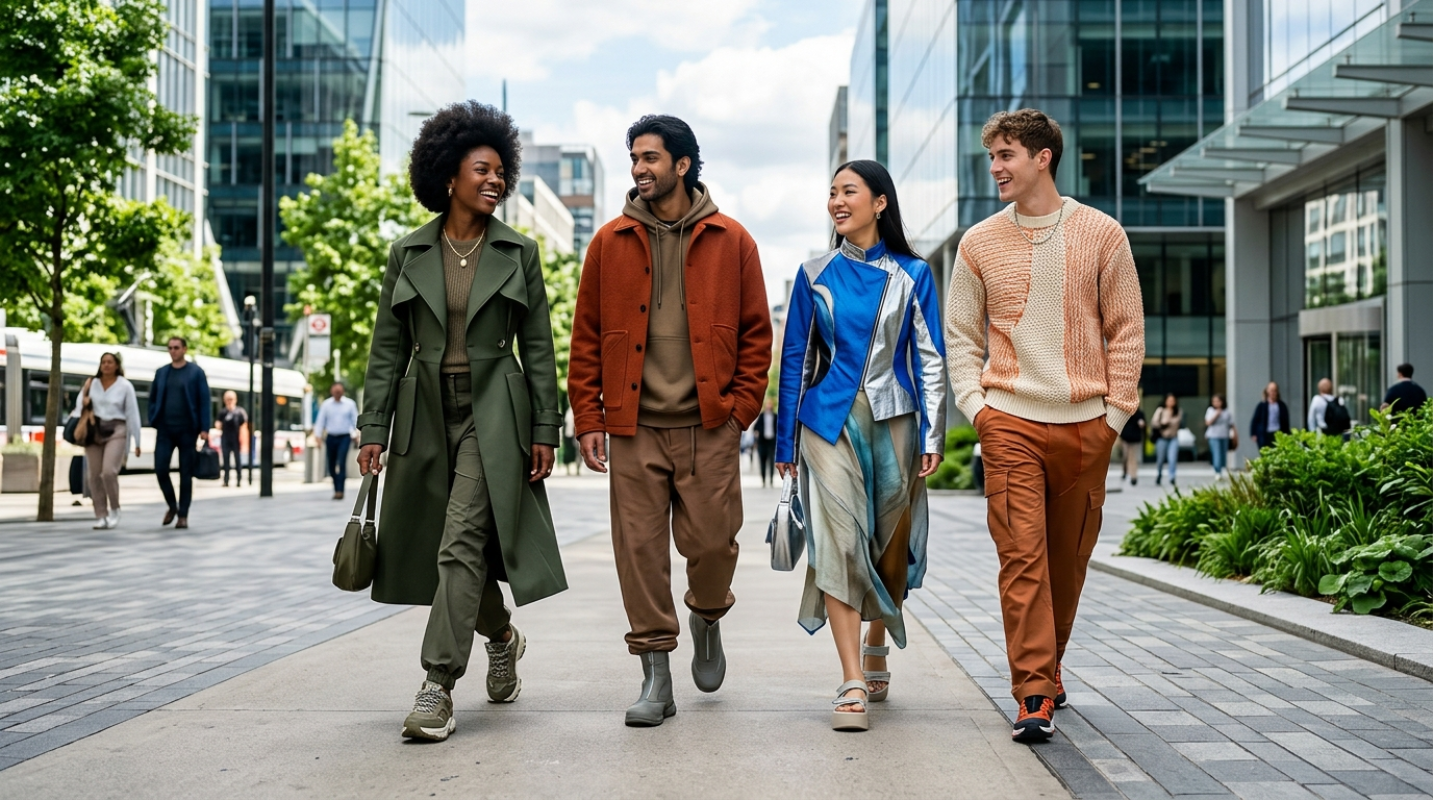
 If you feel like the fashion world just took a collective deep breath, you aren't imagining it. We've officially entered what industry insiders are calling the Great Reset. For years, we were trapped in a cycle of micro-trends that moved so fast they were practically over before your package arrived in the mail. But 2026 is different. We're moving away from that frantic energy toward something much more intentional. Think of it as a shift from mindless scrolling to strategic imagination. So what does this actually mean for your closet? It means the end of the "core" era.
We're done with balletcore, gorpcore, and whatever-else-core was trending last Tuesday. Instead, people are focusing on building wardrobes that actually last. WGSN identifies a mood they call The Great Exhaustion, which is exactly what it sounds like.² Consumers are tired of the noise. You're probably tired of it too. This exhaustion is pushing us toward two extremes: clothes that are incredibly supportive and functional, or clothes that are completely, wonderfully unserious.
The biggest change is happening behind your screen. We've moved into the age of the AI Shopper. It's not just about a chatbot giving you advice anymore. Business of Fashion reports that autonomous AI agents are now shopping on behalf of consumers.³ These digital assistants know your measurements, your budget, and your calendar. They're looking for clothes that fit your life, not just your feed. This hyper-personalization means that your style is becoming less about what an algorithm thinks everyone wants and more about what your personal data says you actually need.
It's a strange balance to strike. On one hand, we're more digital than ever. On the other hand, there's a massive craving for tactile, physical experiences. You want to feel the weight of a heavy wool coat or the texture of a 3D-printed mesh. In 2026, fashion is the bridge between those two worlds. It's where your digital identity and your physical body finally get on the same page.
Eco-Conscious Innovation Beyond Sustainability
Sustainability used to be a buzzword that brands threw around to make us feel better about buying more stuff. But in 2026, the conversation has changed. We've moved past the "green" marketing and into a phase of genuine redirection.² It's not just about doing less harm. It's about changing how clothes are actually made from the molecular level up.
Have you heard of bio-fabricated textiles? If not, you'll be wearing them soon. We're seeing a massive rise in lab-grown leathers and fabrics made from algae or fungi. These aren't just "eco-friendly" alternatives (they're often higher quality than the traditional materials they replace). Designers are embracing these because they offer textures and colors that nature can't produce on its own. Speaking of color, the standout shade of 2026 is Transformative Teal.² It's a deep, aquatic mix of blue and green that represents this new Earth-first mindset. It's a color that looks just as good on a digital screen as it does in a physical showroom.
Circular fashion is also becoming the industry standard rather than a niche experiment. This is partly thanks to new regulations, like the Digital Product Passports (DPP) required in many regions. Think of a DPP as a digital "soul" for your garment. By scanning a small tag, you can see exactly where the fiber was grown, who sewed the seams, and how to recycle it when you're done. This transparency is a game-changer. It's making it much harder for brands to hide behind vague promises.
We're also seeing the professionalization of the resale market. Vogue Business notes that the second-hand market is growing up to three times faster than the primary market. Brands aren't just letting third-party apps handle this anymore. They're launching their own "pre-loved" platforms to keep their clothes in circulation longer. It's a world where the value of your jacket doesn't drop to zero the moment you leave the store. If it's well-made and has a verifiable history, it's an asset.
The Tech-Core Aesthetic Where Function Meets Form
Remember when "wearable tech" meant a clunky plastic watch? Those days are long gone. In 2026, the tech is invisible, or at least, it's fashionable. We're seeing a huge breakout in smart eyewear. Vogue Business predicts this is the year smart frames finally hit the mainstream. Think of glasses like the Ray-Ban Meta models, but even more integrated into high-fashion silhouettes. They don't look like gadgets. They look like Dior or Prada, but they happen to record your life and whisper directions in your ear.
This has led to a style WGSN calls Guardian Design.² Since the world feels a bit turbulent, our clothes are starting to act like armor. We're seeing a rise in "wearable systems" (modular clothing that you can take apart and put back together depending on your day). You might have a jacket with RFID-blocking pockets to protect your data, or modular bags that clip onto different parts of your outfit. It's high-performance gear, but it's being cut with the precision of luxury tailoring.
The intersection of sportswear and luxury has also reached a new level. We aren't just talking about wearing leggings to brunch. It's about using high-tech, sweat-wicking fabrics to create evening gowns and suits. Brands are realizing that even if you're at a formal event, you still want to be comfortable and mobile. It's the ultimate "agentic" wardrobe. It's clothing that helps you do things, rather than just clothing that sits on you.
The 2026 Retro-Futurism
Fashion has always been obsessed with the past, but 2026 is doing something interesting with it. We're seeing a mix of 90s minimalism and 2040s-inspired metallic accents. It's a look that feels like it belongs in a sci-fi movie from thirty years ago. We're calling it retro-futurism, and it's all about taking familiar shapes and making them feel slightly "off" in a cool, modern way.
One of the most surprising trends is the revival of artisan craftsmanship. In a world where AI can design a million t-shirts in a second, anything made by a human hand becomes incredibly valuable. We're seeing a huge interest in intricate crochet, hand-painted silks, and traditional weaving. It's a rebellion against the perfection of the machine. People want the flaws. They want to know that a person spent hours making the thing they're wearing.
Historical silhouettes are also getting a massive update. Take "apron dressing," like. Led by brands like Miu Miu, this trend takes domestic, traditional shapes (like ruffles and aprons) and turns them into something theatrical and subversive. It's about reclaiming "women's work" and making it a fashion statement. You might see a leather apron worn over a sheer teal skirt, or a ruffled collar paired with a technical utility vest. It's weird, it's bold, and it's very 2026.
Even the jewelry market is exploding. Business of Fashion notes that jewelry is growing four times faster than clothing.³ In a world of "Quiet Luxury," people are using bold, sculptural jewelry to stand out. It's the one area where more is definitely more. Think of it as the "glimmer" in your outfit (those small moments of joy that make a look feel personal).¹
Curating Your Wardrobe
So, how do you actually handle all of this without losing your mind (or your savings)? The first step is to ignore the "elevation game" being played by mass-market giants. Brands like Zara and H&M are raising their prices to try to compete with luxury labels.³ Although they might have some high-end leather goods, don't get caught up in the hype of paying luxury prices for fast-fashion roots.
Instead, focus on being an Autonomist.¹ This is one of the key consumer profiles for 2026. Autonomists don't follow trends; they curate them. They value self-expression and peer-to-peer sharing. This might mean swapping clothes with friends, buying from independent designers on resale apps, or upcycling what you already own. The goal is to build a wardrobe that feels like you, not like a carbon copy of a viral post.
Here are a few practical tips for the year ahead
- Invest in Jewelry: Since it's the "star" category of the year, a few high-quality, sculptural pieces can make even an old outfit feel current.³
- Look for Modular Pieces: Find items that can do double duty. A coat with a removable lining or a bag that changes shape will give you more mileage as the seasons shift.
- Embrace the "Unserious": Don't be afraid of the "Cult of Cute" or Kawaii aesthetics.² If a weird accessory makes you happy, wear it. We're all exhausted; a little humor in your wardrobe is a good thing.
- Check the Passport: Start looking for those Digital Product Passports. Knowing the history of your clothes makes you a more conscious owner and helps the resale value later.
In the end, 2026 is about reclaiming your agency. Whether you're using an AI agent to find the perfect pair of boots or spending your weekend at a local create market, the power is back in your hands. Fashion isn't something that happens to you anymore. It's something you build, one intentional piece at a time.